How Dance Activities Enhance Emotional Well-Being
Engaging in dance activities not only adds joy to our lives but also significantly contributes to emotional well-being. In this article, we explore how dance can foster emotional health, particularly in community settings, while providing insights backed by research.
Understanding the Emotional Benefits of Dance
Dancing is more than just a form of entertainment; it is an effective outlet for self-expression and emotional release. Research indicates that participating in dance can help alleviate symptoms of anxiety and depression. According to a study published in the Journal of Clinical Psychology, individuals who engage in regular dance activities report reductions in feelings of stress and an increase in overall life satisfaction.
"Dance can serve as a powerful means of emotional expression, helping individuals process and release feelings they may otherwise struggle to articulate." - Dr. Sarah Thompson, Psychologist
The Mechanisms Behind Dance's Emotional Impact
The emotional benefits derived from dance stem from a combination of physical, social, and psychological factors:
- Physical Activity: Dance involves physical movement, which triggers the release of endorphins, often referred to as "feel-good" hormones. These hormones can enhance mood and overall emotional state.
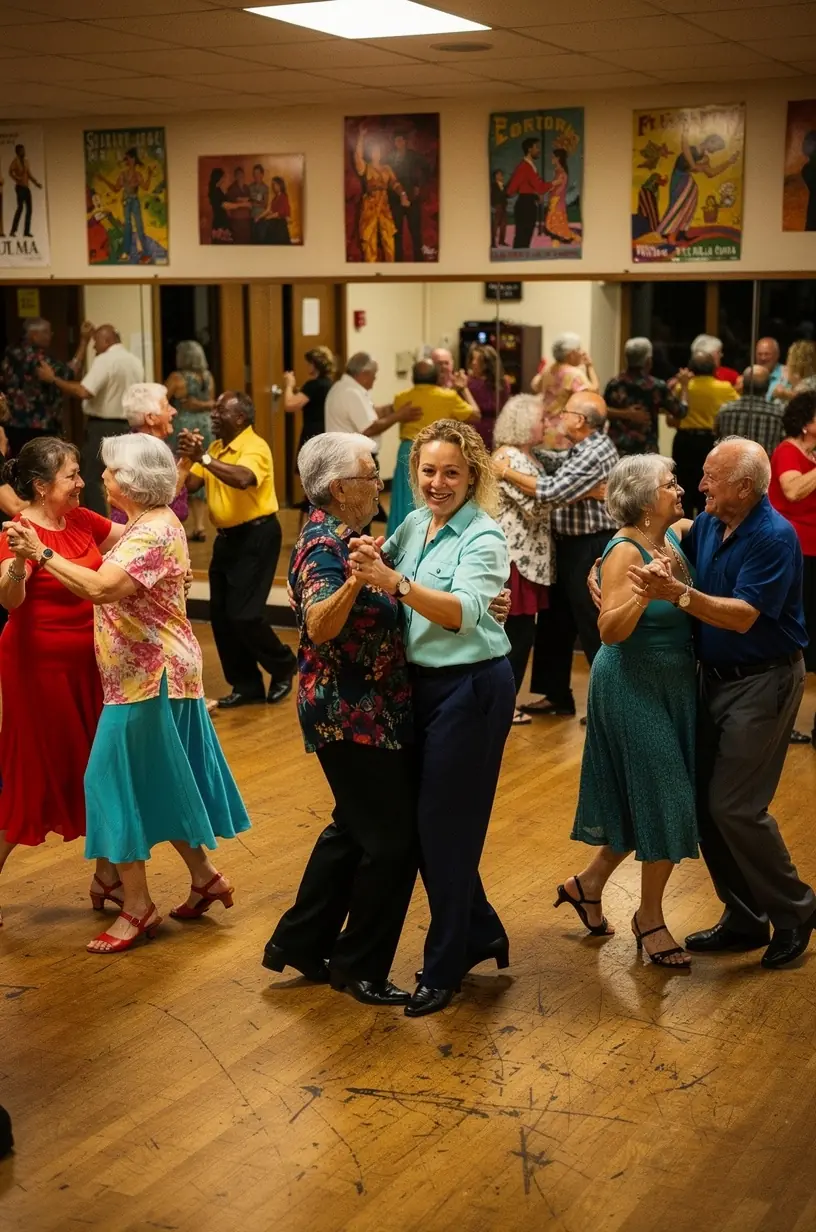
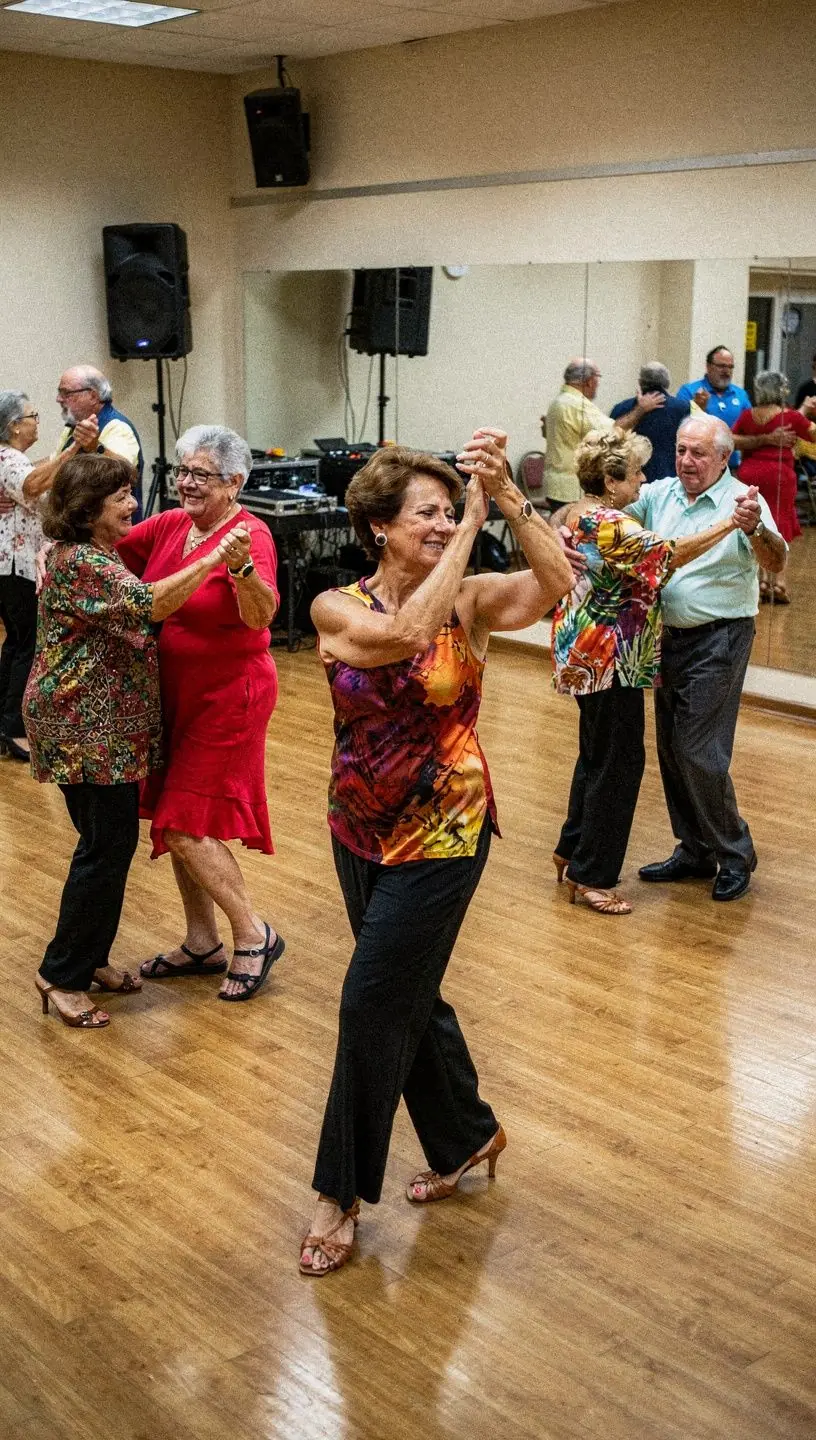
- Social Interaction: Dancing in a group or community setting fosters connections among participants. Studies show that socializing in such environments can mitigate feelings of loneliness and isolation, contributing to improved mental health.
- Mindfulness and Presence: Engaging in dance requires focus and body awareness, promoting a state of mindfulness. This can reduce rumination and help individuals stay present, which is beneficial for emotional regulation.
Practical Steps to Incorporate Dance for Emotional Well-Being
If you're considering dance as a tool for enhancing emotional health, here are some practical steps:
- Join a Local Class: Many communities offer dance classes such as Salsa or Bachata, which are not only fun but also promote social interaction. Look for classes that cater to beginners to ease the learning process.
- Attend Dance Events: Participating in local dance events can provide opportunities to connect with others while engaging in an enjoyable activity. These events often foster a sense of belonging and community.
- Practice Regularly: To experience the emotional benefits associated with dance, consistency is key. Aim for at least two to three sessions per week for optimal results.
Acknowledging the Challenges
While dance can be a beneficial practice, it's important to acknowledge the challenges that come with it. Many users report that learning new dance styles can involve a steep learning curve and may be intimidating initially. It typically takes time to feel comfortable and confident on the dance floor, and this might not be suitable for individuals seeking immediate emotional relief.
Conclusion
In summary, dance activities offer a viable method for enhancing emotional well-being through physical activity, social interaction, and mindfulness. By engaging in local dance programs or social events, individuals can build connections, express themselves, and improve their emotional health over time. Remember, while the journey may require dedication, the emotional rewards can be profound and long-lasting.
Learn More