Integrating Coaching with Dance: A Holistic Approach
As individuals navigate through various life transitions, integrating personal coaching with social dance events such as bachata and salsa can offer a unique pathway to community building and personal development. This article explores how combining these elements may foster growth and connection.
Understanding the Benefits of Coaching and Dance
Life transition coaching typically focuses on providing guidance and strategies to help individuals navigate important changes. According to research in the field of psychology, engaging in physical activity, such as dance, can enhance emotional well-being and reduce stress levels. This is primarily because the act of dancing releases endorphins, often referred to as "feel-good" hormones.
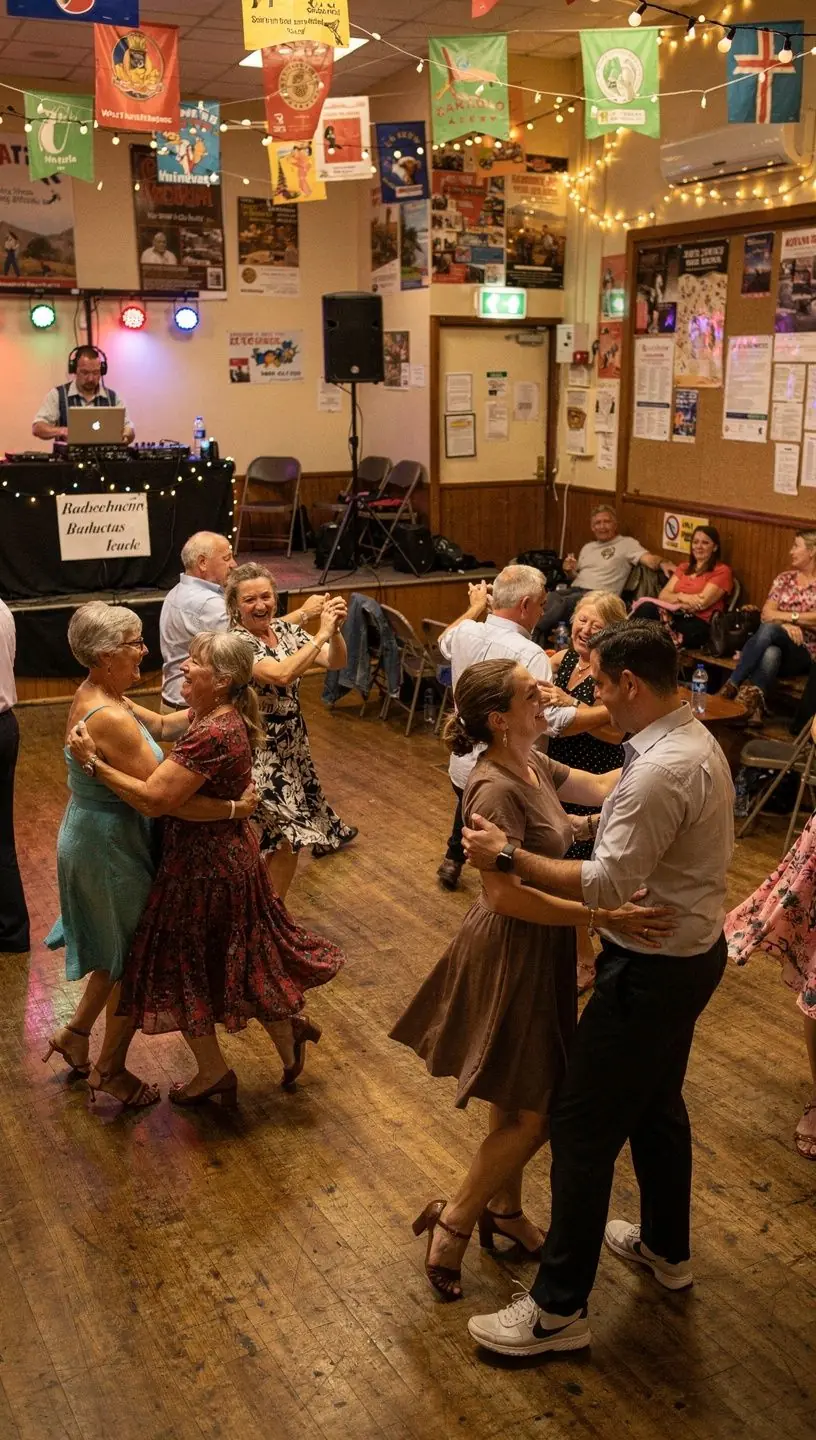
"Studies show that regular participation in dance can significantly improve mood and overall mental health, making it a valuable complement to coaching practices."
The Holistic Approach: How Coaching and Dance Work Together
The integration of coaching with dance often involves several key components:
- Community Engagement: Participating in dance classes fosters a sense of belonging, which can be particularly beneficial for individuals going through transitions. This aspect aligns with coaching principles that emphasize support networks.
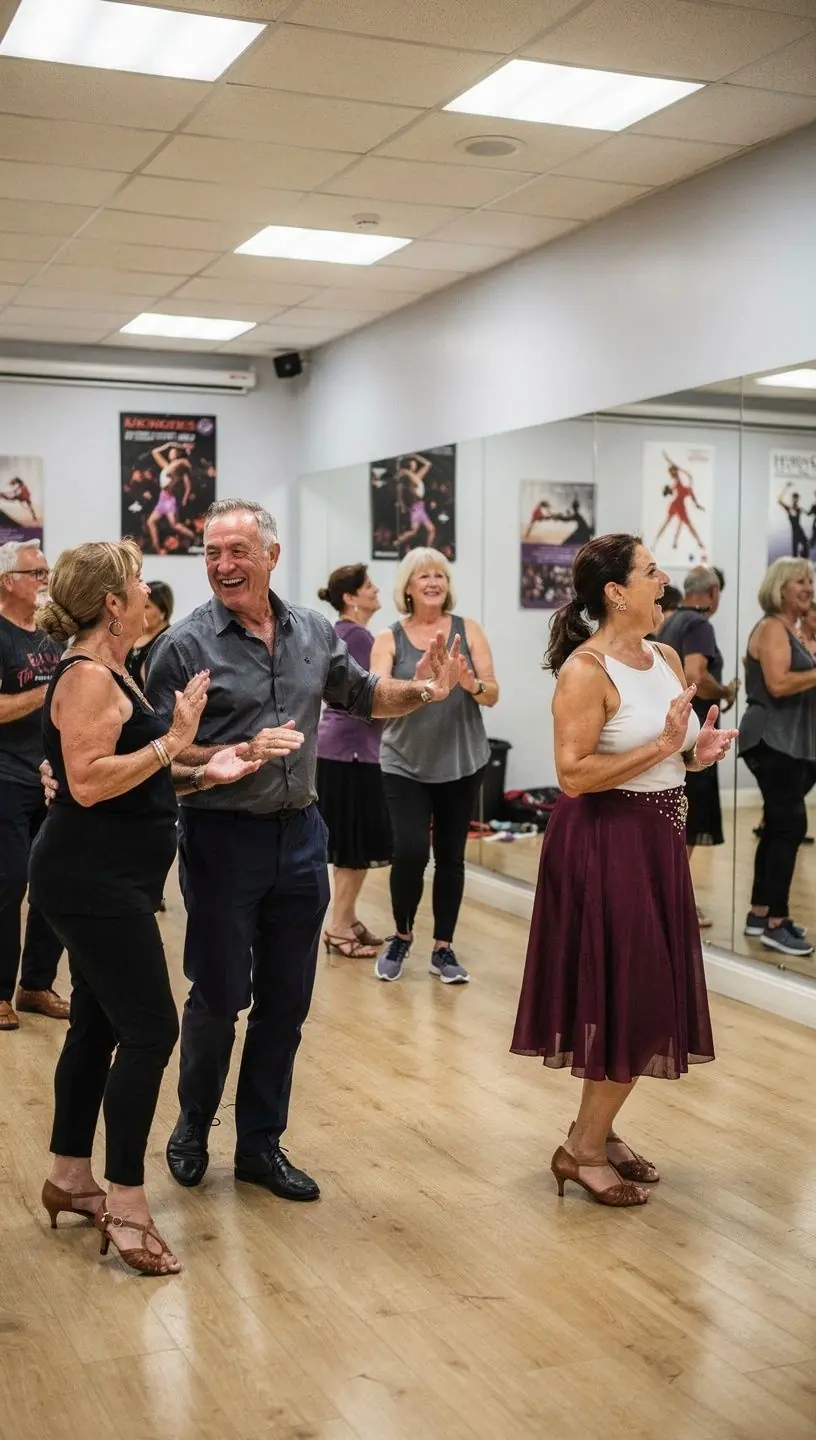
- Skill Development: Dance requires practice and dedication, mirroring the commitment needed in coaching. Learning new dance styles like bachata or salsa can promote resilience and adaptability.
- Emotional Expression: Dance provides a creative outlet for emotional release, while coaching offers structured reflection. Together, they create a safe space for individuals to process their feelings.
Putting It into Practice
To effectively integrate coaching with dance, participants can follow these steps:
- Find a Suitable Program: Look for coaching centers that offer dance events as part of their curriculum. It's essential to choose programs that align with your personal goals and interests.
- Commit to Regular Attendance: Building skills in dance typically takes time, often requiring consistent practice. Setting aside time each week for both coaching and dance can enhance your experience.
- Engage with the Community: Participate actively in social events. Engaging with peers not only reinforces the coaching journey but also helps build lasting connections that support ongoing growth.
Challenges and Considerations
While integrating coaching with dance can be beneficial, it is important to acknowledge potential challenges. This approach may require a significant time commitment, typically involving participation in both coaching sessions and dance classes. Additionally, for those who are new to dance, there may be a learning curve. It's essential to approach the process with patience and an open mind.
Conclusion
The combination of life transition coaching and social dance presents a holistic approach that can help individuals achieve personal growth while fostering community connections. By understanding the benefits, engaging consistently, and embracing the process, participants may find that this integrated method enhances their journey through life's transitions. As with any developmental approach, results often depend on personal commitment and active participation.