How Coaching Programs Support Life Changes
Life transitions can often be challenging and overwhelming. Through effective coaching programs, individuals can navigate these changes with greater ease and emotional clarity. In this article, we explore how coaching can facilitate personal growth, community building, and skill development, particularly through integrated social dance events.
Understanding the Role of Coaching in Life Transitions
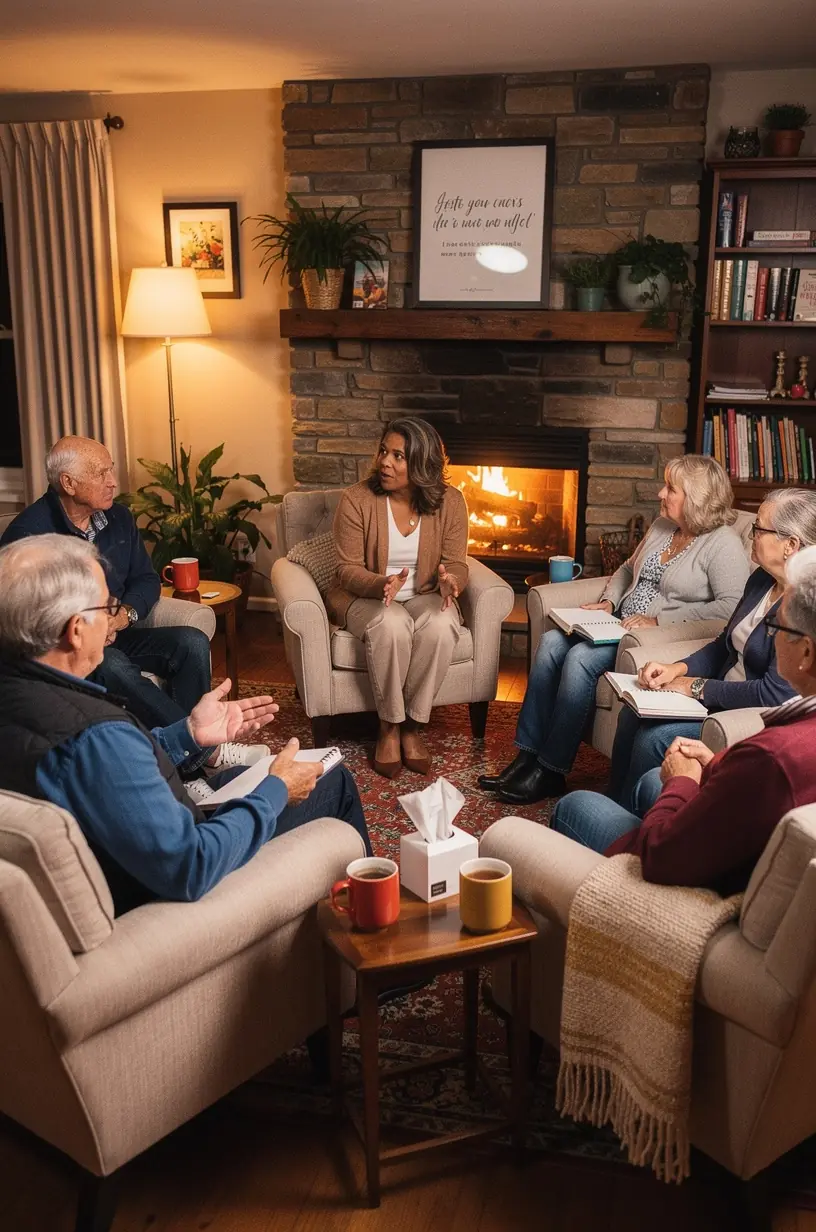
Coaching programs are designed to provide support during significant life changes, such as career shifts, relationship challenges, or personal development. According to research published in the Journal of Coaching Psychology, coaching can enhance self-efficacy and reduce anxiety associated with change. The principles behind coaching involve setting clear goals, fostering self-reflection, and employing active listening techniques, all of which contribute to a supportive environment.

"Studies show that individuals who engage in coaching report a 60% higher likelihood of successfully navigating life transitions."
The Benefits of Integrated Social Dance Events
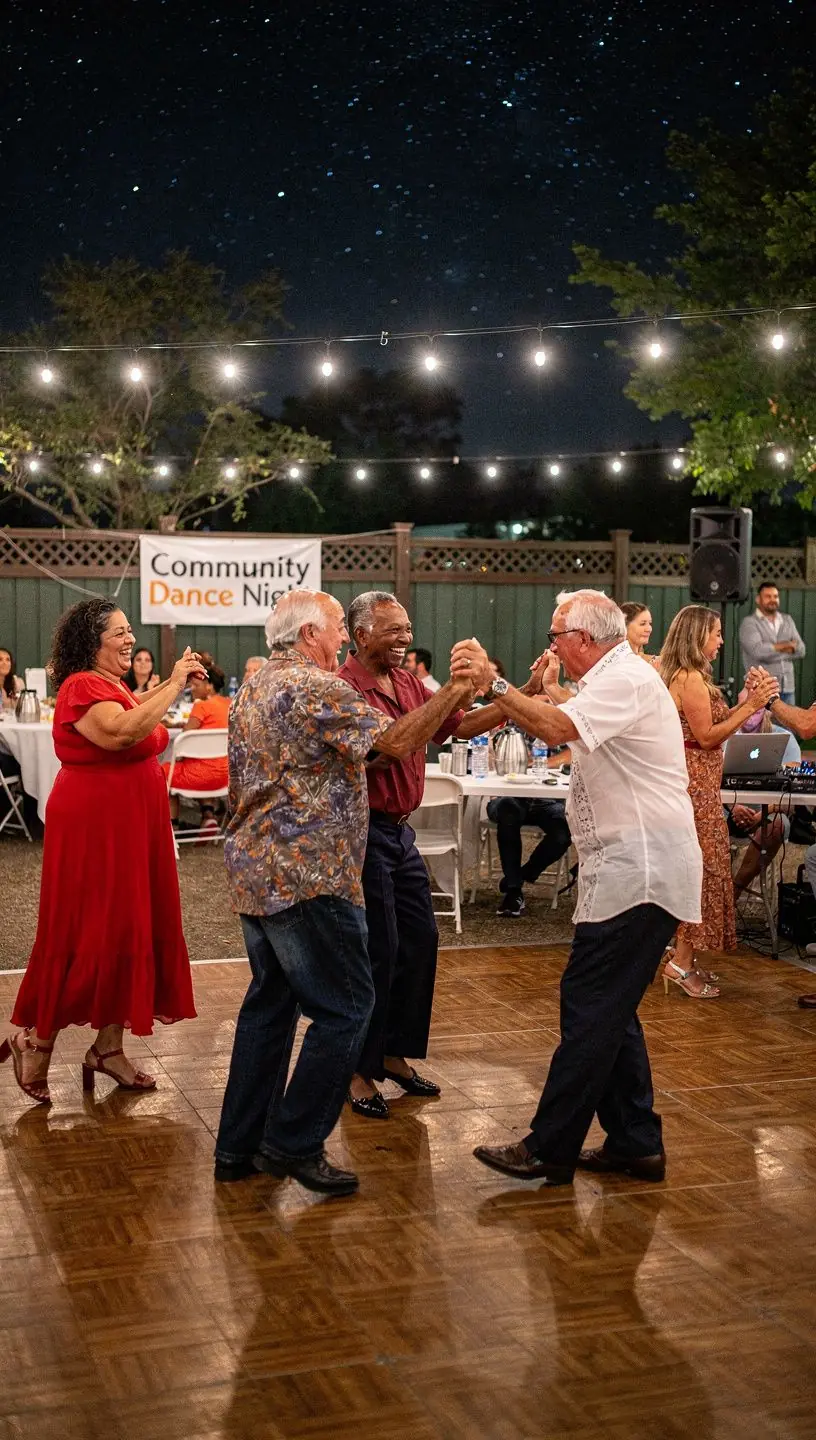
Many coaching programs, particularly those focused on community building, incorporate social dance events such as bachata and salsa. These activities not only provide participants with a fun way to connect but also serve as tools for personal expression and stress relief. Experts recommend that engaging in social dancing can improve mood and increase social interaction, which are critical during times of change.
Why Social Dance?
- Community Engagement: Social dance events create a sense of belonging, allowing participants to build connections with others who may be experiencing similar life transitions.
- Emotional Expression: Dance can serve as a powerful medium for expressing emotions, often leading to improved mental health and emotional resilience.
- Skill Development: Learning new dance skills can boost confidence and provide a sense of achievement, essential during periods of uncertainty.
Expectations and Commitment
While coaching programs can be incredibly beneficial, it is important to set realistic expectations. Most coaching programs typically require a commitment of several weeks to months, with regular sessions designed to facilitate meaningful change. Participants should be prepared to engage actively in the process, as results often depend on the effort put forth. Research suggests that consistent engagement in structured activities, such as coaching and dance, may yield noticeable improvements in personal outcomes within 3-6 months.
What to Expect in a Coaching Program
- Initial Assessment: Most programs begin with a comprehensive evaluation of your current situation, needs, and aspirations.
- Goal Setting: Together with your coach, you will establish specific, measurable goals that align with your personal objectives.
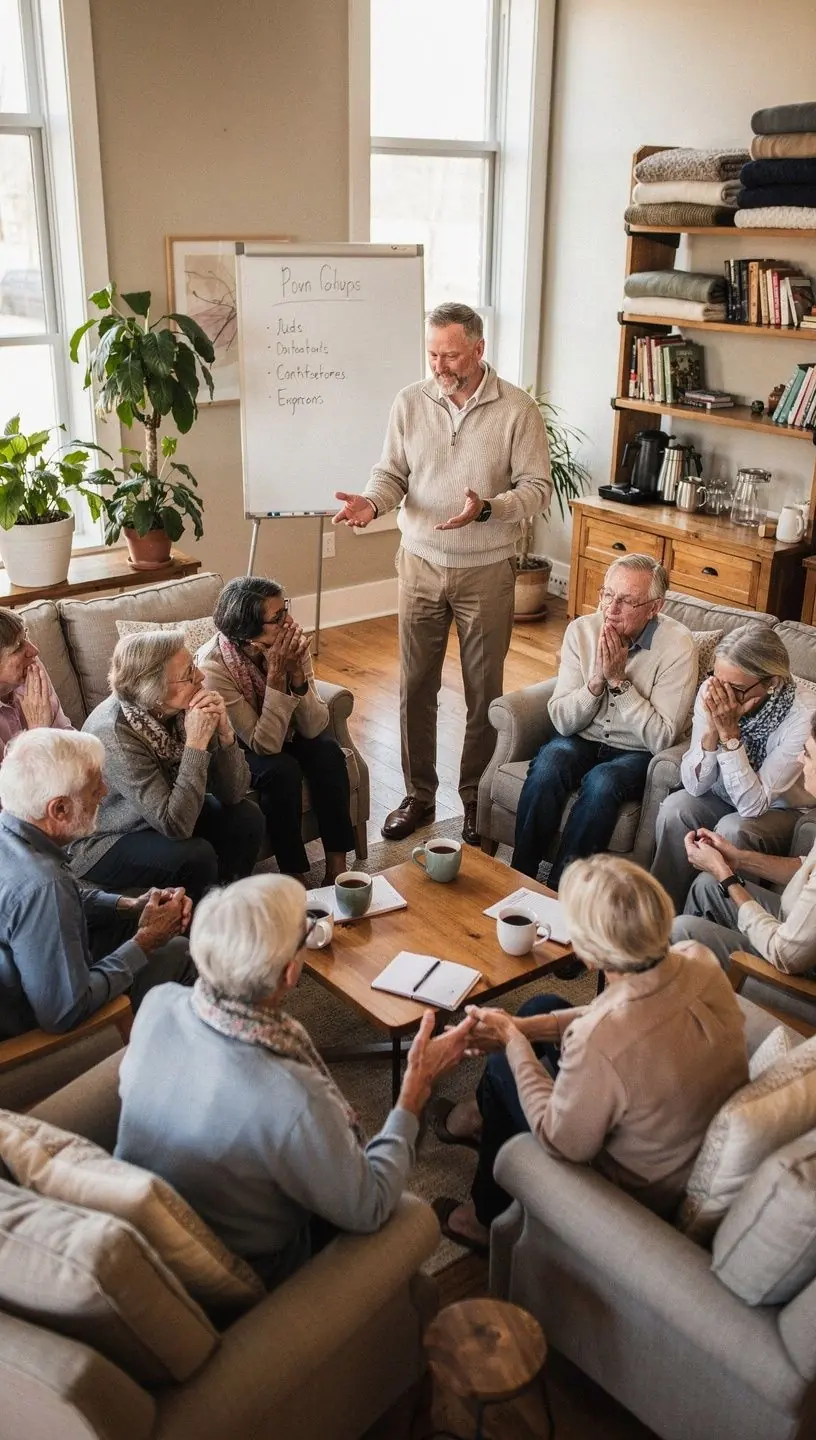
- Regular Sessions: Expect weekly or bi-weekly sessions that may include discussions, exercises, and dance practices aimed at enhancing your skills and building community.
- Feedback and Adjustment: An ongoing dialogue with your coach about your progress will help adjust goals and methods as needed.
Conclusion
Coaching programs can provide valuable support during significant life transitions, equipping individuals with the tools they need to navigate change effectively. By integrating social dance events, these programs foster community and encourage emotional well-being. While results vary and require commitment, many individuals find that such structured support significantly enhances their transition experiences. For anyone considering a coaching program, understanding the process and setting realistic expectations are key to unlocking potential personal growth.
Learn More