Practical Tips for Navigating Life Transitions After 45
Navigating life transitions can be particularly challenging after the age of 45. Whether you are considering a career change, experiencing empty nest syndrome, or seeking personal growth, understanding effective strategies can ease this journey.
Understanding Life Transitions
Life transitions are significant changes that can affect various facets of existence, such as career, relationships, and personal aspirations. According to research from the American Psychological Association, transitions often lead to stress, yet they can also provide opportunities for growth and reevaluation of life goals when approached thoughtfully.

"Transitions can be pivotal moments that challenge our perceptions and lead to personal growth." - Dr. Susan Albers, clinical psychologist
Recognizing the Challenges
Many individuals report feeling uncertain during life transitions, which can result in anxiety and indecision. The key to managing these feelings is understanding the typical challenges, which include:
- Fear of the unknown: Uncertainty about future employment, relationships, or lifestyle can create anxiety.
- Loss of identity: Changes such as retirement or children leaving home can lead to questioning one's self-worth.
- Social isolation: Adjusting to new circumstances may lead to a reduction in social interactions.
Effective Strategies for Transition
Implementing structured strategies can significantly ease the transition process. Here are several approaches that experts recommend:
- Engage in self-reflection: Take time to identify your values, interests, and priorities. Studies show that self-reflection can lead to improved decision-making and personal clarity.
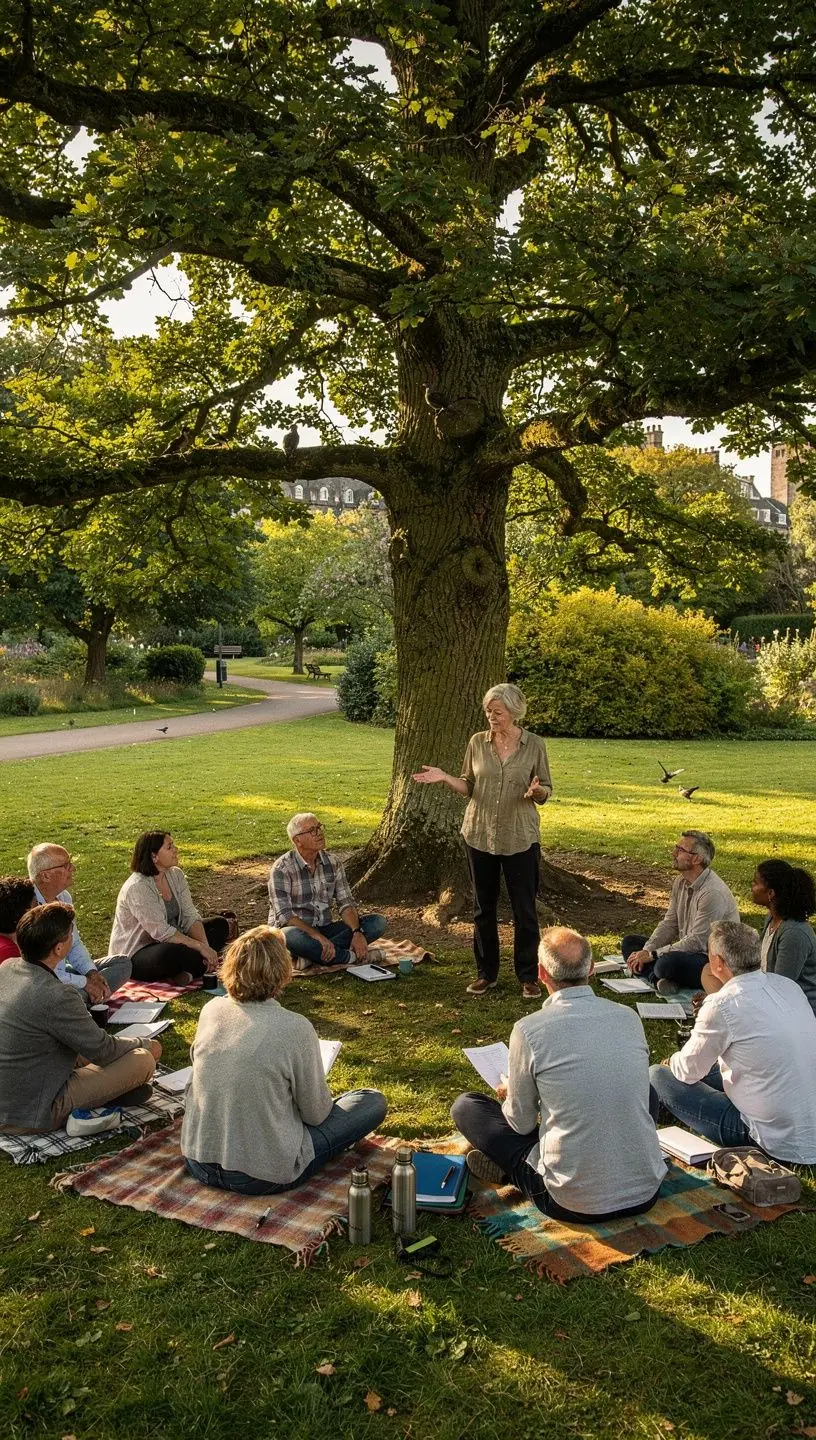
- Establish a support network: Engaging with friends, family, or support groups can provide emotional stability. Research indicates that social support plays a critical role in successfully navigating life changes.
- Explore new opportunities: Consider enrolling in courses or attending workshops related to your interests. Many community centers in Ireland offer programs catering to those over 45, which can enhance your skills while meeting like-minded individuals.
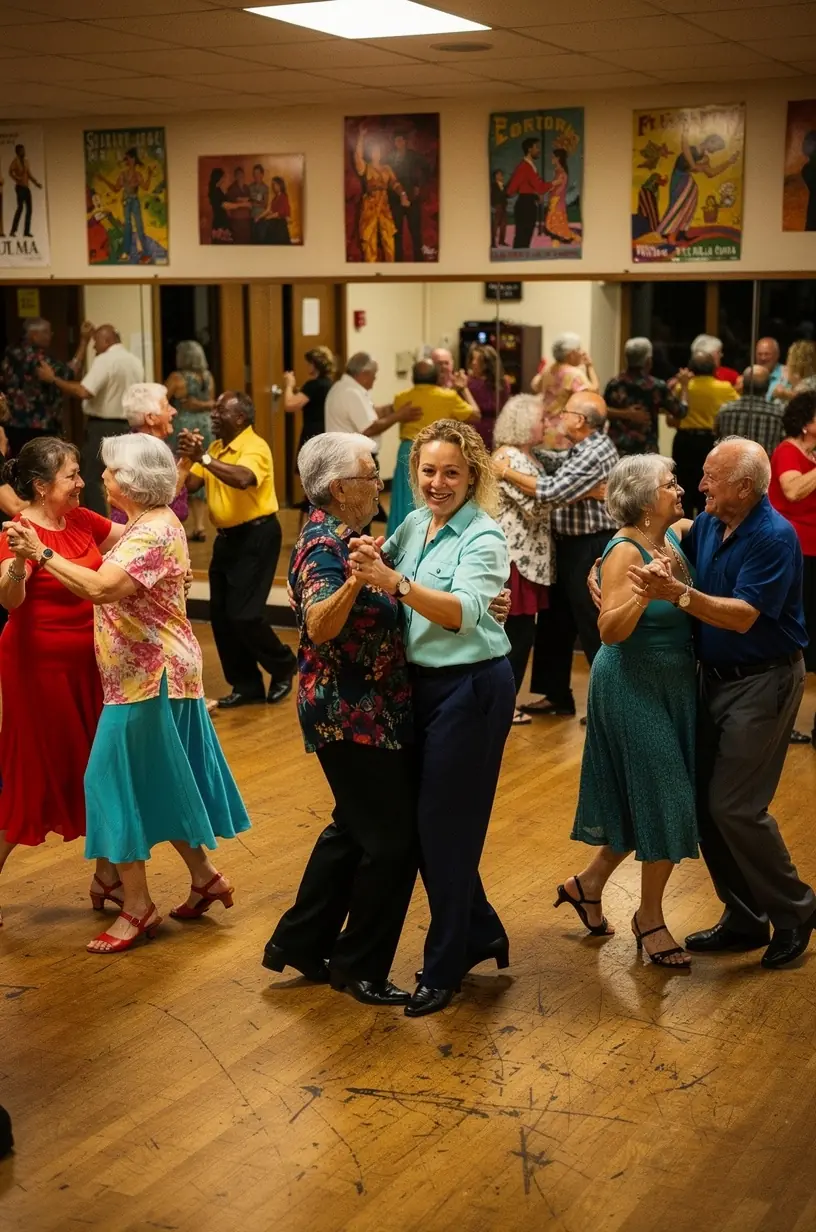
- Incorporate social dance: Participating in community dance events such as bachata or salsa not only improves physical health but also fosters social connections. Experts suggest that engaging in physical activities can reduce stress and enhance mood during transitions.
Setting Realistic Expectations
When implementing these strategies, it's essential to set realistic expectations. Change typically requires time and effort, with most individuals reporting noticeable benefits within 3-6 months of actively engaging in supportive practices. Remember that the journey may involve learning curves and occasional setbacks, which are normal parts of the process.
Conclusion
Life transitions after 45 can be daunting, but with strategic approaches and the right mindset, they also present opportunities for growth and renewal. By recognizing challenges, utilizing effective strategies, and fostering connections, you can navigate these changes more smoothly. Always remember that each step you take contributes to your personal journey, and seeking support can make all the difference.