Understanding the Elements of Effective Coaching Programs
Transitioning through various stages of life can often be challenging, and effective coaching programs are essential in facilitating these changes. This article explores the crucial elements that make life transition coaching effective, particularly in settings that integrate offline programs and social dance events like bachata and salsa, which serve to enhance community engagement.
Understanding the Basics
Effective coaching programs typically incorporate various methodologies aimed at fostering growth and resilience in individuals. Research indicates that personalized coaching strategies can significantly enhance client outcomes, as they address unique challenges and goals (according to studies by the International Coach Federation). The underlying principle is that customized support can lead to a more profound understanding of oneself, which is critical during life transitions.
"Personalized coaching strategies can significantly enhance client outcomes, addressing unique challenges and goals." — International Coach Federation
Core Elements of Effective Coaching Programs
- Goal Setting: Establishing clear, measurable goals is essential. Studies show that clients who articulate specific objectives are more likely to achieve them.
- Accountability: Regular check-ins and progress tracking can help maintain motivation. A coaching relationship that includes accountability often results in a higher commitment to personal development.
- Feedback Mechanisms: Constructive feedback is vital for improvement. Many users report that consistent feedback helps them adjust their strategies and fosters a deeper understanding of their progress.
Integrating Social Dance Events
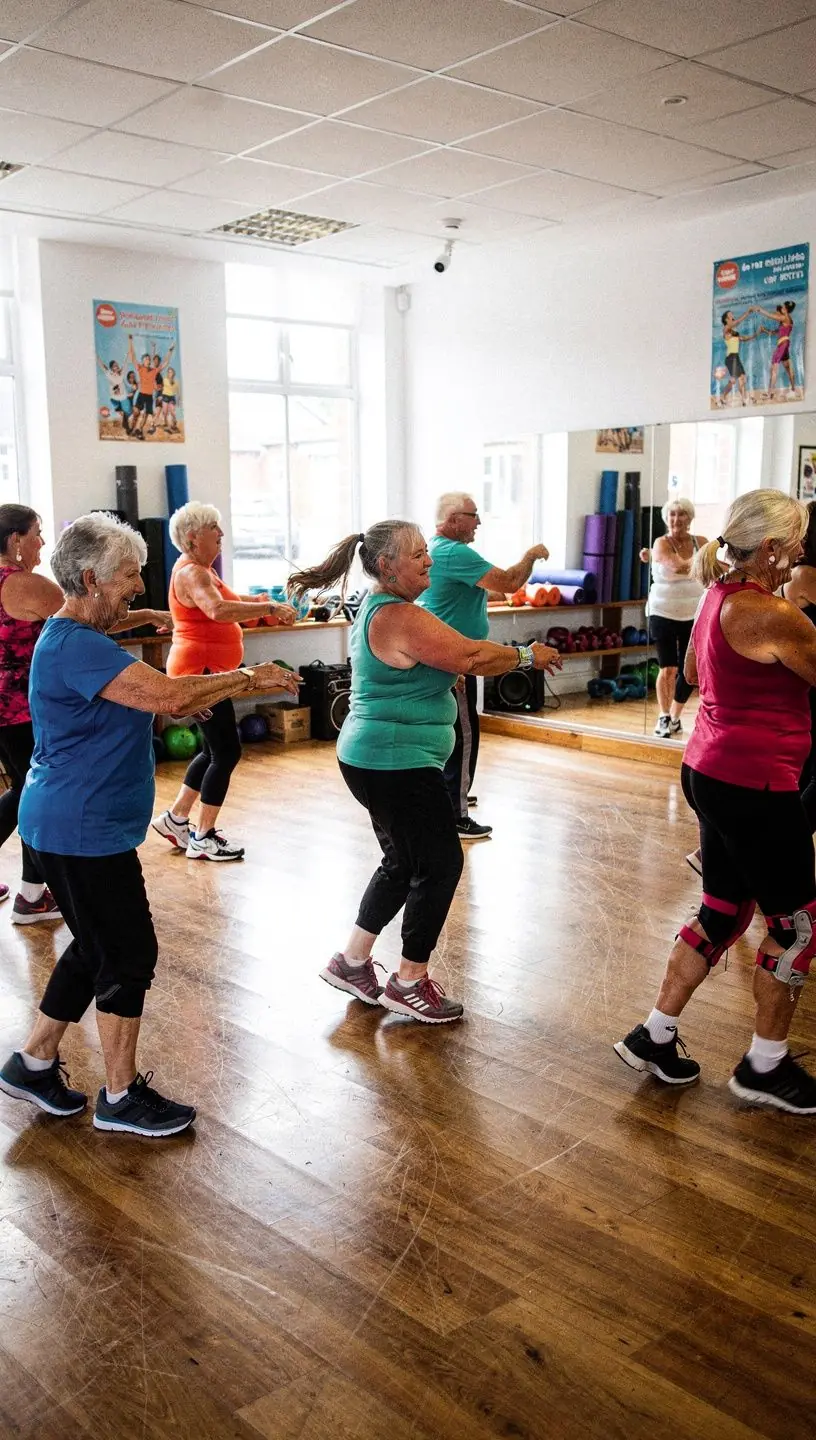
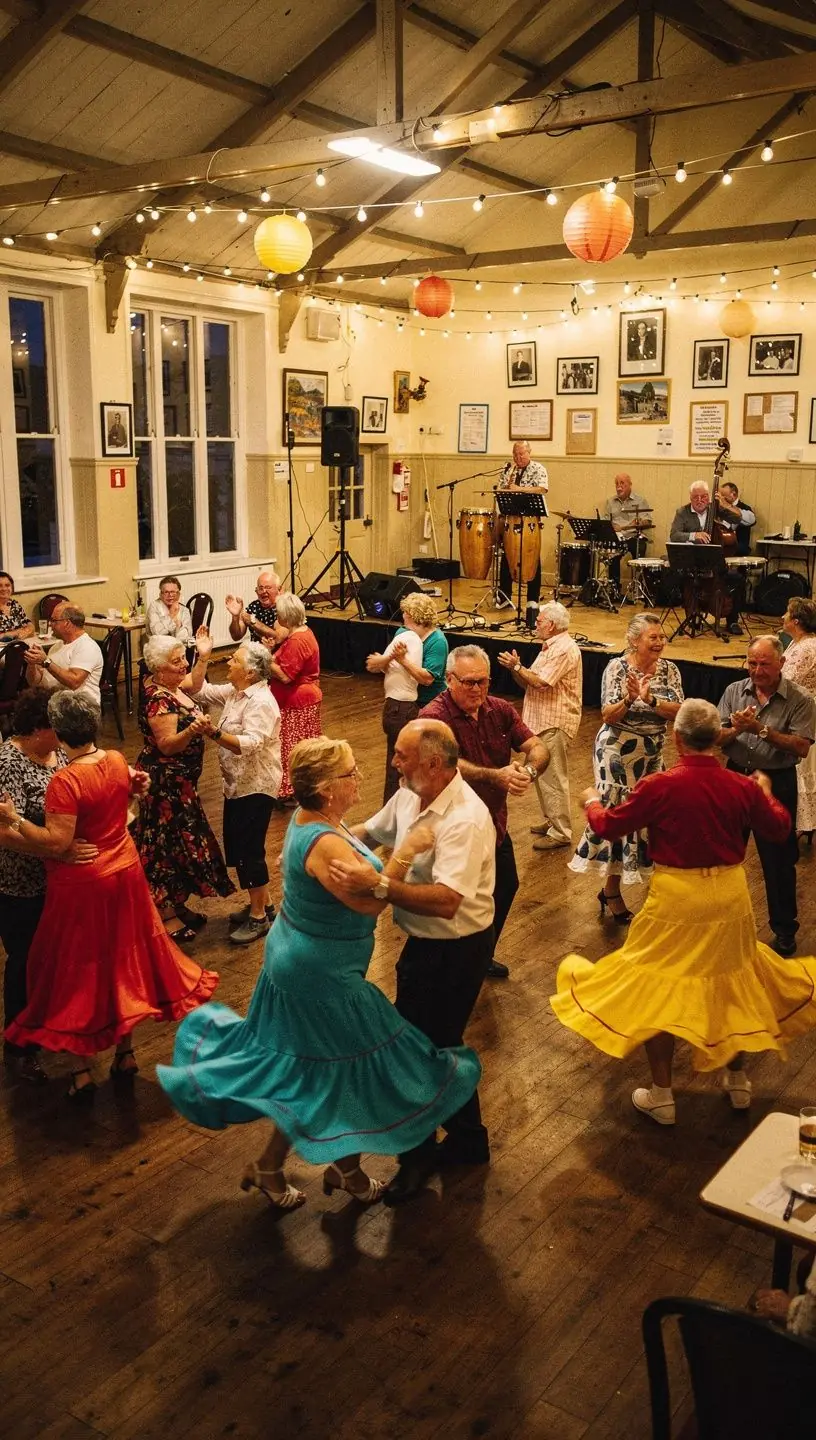
Social dance events, such as bachata and salsa, can serve as powerful tools for community building and personal growth. These activities not only enhance physical well-being but also promote social interaction, which is crucial during life transitions.
This integration works because dance requires participants to be present and engaged, fostering a sense of community among individuals who are navigating similar transitions. Experts suggest that engaging in social activities can lead to improved mental health and a greater sense of belonging, which is particularly beneficial during life changes.
Challenges and Limitations
It is essential to acknowledge that coaching programs often require a significant time commitment. Typically, clients may need several weeks to see noticeable results, and a consistent practice schedule is crucial for success. Furthermore, some individuals may find that personal coaching is not suitable for every transition, particularly if they lack the motivation or readiness to engage deeply with the process.
Conclusion
Effective life transition coaching programs are built upon the principles of personalized goal setting, accountability, and constructive feedback. Integrating community activities, such as social dance, can enhance these programs by providing a supportive environment for growth. While results may vary, a committed approach can lead to significant personal development over time. By understanding these core elements, individuals can better navigate their life transitions and enrich their communities.
Learn More